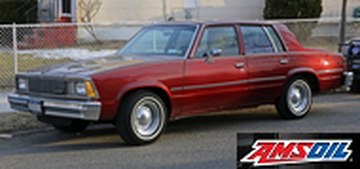
Engine Lubrication and Maintenance for the 1981 Chevrolet MALIBU 5.0L
Maintaining a vehicle from the early 1980s requires a proactive approach to fluid management and mechanical inspection. For the 1981 Chevrolet MALIBU equipped with the 5.0L engine, consistent attention to lubrication is a fundamental aspect of long-term ownership. Because older engines may exhibit different sealing characteristics than modern counterparts, understanding how to monitor and respond to changes in lubricant condition is essential for preserving engine health.
Monitoring Fluid Integrity and Potential Leaks
One of the most effective ways to manage an aging engine is through regular visual inspections of the lubrication system. Owners should periodically check for any signs of fluid seepage or active leakage around the engine block and associated components. While some level of minor seepage can occur as gaskets and seals age, significant or rapid loss of lubricant warrants immediate investigation.
When performing these checks, look for:
- Wetness or dark staining on the underside of the engine or near sealing surfaces.
- Accumulated residue on the oil pan or around the area where the filter is mounted.
- Puddles forming beneath the vehicle after it has been parked for an extended period.
If you notice a change in how much lubricant the engine seems to use between service intervals, it may indicate that a seal or gasket is no longer providing an effective barrier. Rather than attempting to diagnose a specific component from a distance, these observations should serve as a prompt for a more detailed mechanical inspection.
Observing Changes in Lubricant Condition
Beyond looking for external leaks, the condition of the oil itself provides valuable information about the internal state of the engine. The appearance and smell of the lubricant can be indicators of how the engine is operating. For example, a significant change in the color or texture of the oil might suggest that it has been subjected to extreme heat or that contaminants have entered the system.
It is also useful to monitor for any unusual mechanical noises that coincide with changes in lubrication levels. While sounds can be caused by many different factors, an unexpected noise may sometimes be associated with insufficient lubrication. If you notice a change in how the engine sounds during startup or while idling, it is prudent to verify the lubricant level immediately and consult service documentation.
Additionally, keep an eye out for any unusual exhaust characteristics. While smoke can be caused by various issues, certain colors or odors may be related to how the engine is managing its lubrication. Always remember that symptoms like these are often non-specific and can have multiple underlying causes; therefore, they should be treated as signals to investigate further rather than definitive proof of a single part failure.
Prioritizing Maintenance Through Record Keeping
For owners of a 1981 Chevrolet MALIBU, establishing a clear maintenance baseline is one of the most practical steps toward effective long-term care. If you have recently acquired this vehicle and do not have access to its previous service history, your first priority should be to document every service performed from this point forward.
Maintaining a detailed log that includes the dates of oil changes, the types of lubricants used, and any repairs or inspections conducted can be incredibly helpful. This documentation allows you to:
- Identify patterns in fluid consumption or leakage over time.
- Distinguish between routine maintenance needs and emerging mechanical issues.
- Track the age and condition of various components, such as belts (if equipped) or hoses, based on when they were last inspected or replaced.
By reviewing these records, you can move away from guesswork and toward a more informed, condition-based maintenance strategy. Instead of replacing parts based solely on the age of the vehicle, you can prioritize tasks based on actual observed wear and documented service intervals.
Managing Aging Engine Components
As vehicles age, certain materials naturally undergo changes in their physical properties. For a 1981 model, this includes various rubber and composite components throughout the engine bay. When performing routine maintenance, it is wise to inspect any accessible belts or hoses for signs of deterioration, such as cracking, glazing, or fraying. If these components are found to be compromised, they should be addressed to prevent unexpected service interruptions.
Furthermore, electrical connections and wiring harnesses should be inspected for signs of brittleness or corrosion. Ensuring that all connectors are secure and clean helps maintain the integrity of the vehicle's electrical systems. This holistic approach—looking at both the lubrication system and the surrounding mechanical environment—ensures that you are addressing the vehicle's needs comprehensively.
Effective Strategies for Long-Term Ownership
Successful long-term ownership of a classic daily driver involves distinguishing between preventive maintenance and unnecessary repairs. Not every aging component requires immediate replacement; often, regular monitoring is sufficient to ensure safety and reliability. The goal is to address active concerns—such as an identified leak or a change in fluid quality—before they escalate into more complex mechanical problems.
If you encounter a situation where the engine's lubrication requirements seem to be changing, such as increased consumption, use that information to guide your next steps. Rather than assuming a specific failure, use these observations to schedule a professional inspection. This methodical approach helps manage maintenance costs and preserves the operational integrity of the 5.0L engine.
Practical Guidance for BUYING ENGINE OIL for your 1981 Chevrolet MALIBU 5.0L
When it is time to replenish your engine's lubricant, the most important step is to ensure that the product you select matches the specific requirements of your application. To avoid errors, do not rely on general automotive knowledge or assumptions based on the vehicle's age; instead, match the engine oil to the application-specific viscosity information already displayed on this webpage.
When you are ready to purchase, consider the following practical tips:
- Verify the Label: Always check the product packaging to ensure the SAE viscosity and API service classifications align with the details provided in your vehicle's application information.
- Evaluate Formulations: Depending on your specific needs, you may choose between conventional oil, synthetic blends, or full synthetic options. Some high-mileage oil formulations also contain additives intended for use in aging engines, including seal-conditioning additives that may be beneficial for older seals.
- Check Certification: Ensure the oil carries the appropriate modern API certification to guarantee it meets current standards for engine protection and deposit control.
By strictly following the viscosity and application data provided on this page, you can ensure that your 1981 Chevrolet MALIBU receives the correct lubrication necessary for its continued operation.